

NIGER. RUSSIA. Hostile takeover.
Putin hosts African leaders as a Western ally is toppled.
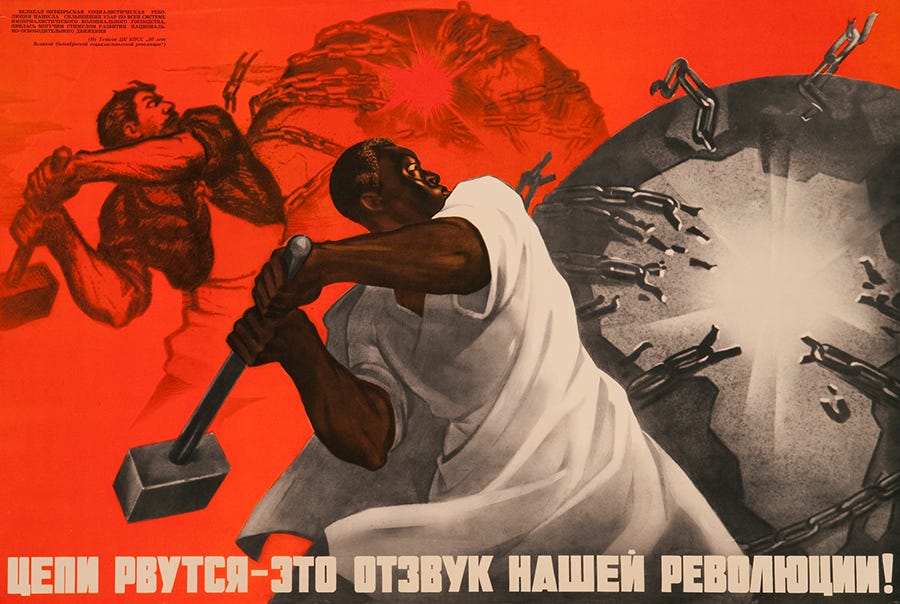
Niger's president was put under house arrest on Wednesday as troops announced military rule. Vladimir Putin opened the Second Russia-Africa Summit in St Petersburg on Thursday, promising deals on development and grain exports.
INTELLIGENCE. The coup could spell the end for one of the West’s last remaining operations in the Sahel. With neighbouring Mali and Burkina Faso already under the tutelage of Russia's Wagner mercenary group, the move could also provide an opening for Moscow, whether or not it had a hand in developments. It also provides a potential opening for the Jihadists and syndicates that Nigerien forces, with the support of French and US troops, were fighting.
FOR BUSINESS. Landlocked, poor, and with large gold and uranium reserves, Niger is the type of country Russia likes to court. But Putin will have a harder time wooing the broader array of leaders he plans to meet in St Petersburg, with many likely to complain that his moves in the Black Sea have imperilled their food security. Russia is eyeing bilateral grain deals in response; an approach India is also taking following its controversial ban on non-basmati rice exports.
BELARUS. RUSSIA. Puppet show.
Mischief and misinformation in a vassal state.
An 11th Wagner convoy arrived in Belarus on Wednesday, according to NGO monitors. Lithuania said on Tuesday it was watching Wagner's activities near the 40-mile Suwalki Gap, which separates Belarus from Russia’s Kaliningrad exclave.
INTELLIGENCE. Speculation has been rife about what, if anything, Wagner is up to in Belarus beyond vague ‘training’ exercises. While meeting Putin on Sunday, Belarusian President Alexander Lukashenko suggested Poland was planning to invade Western Ukraine, and Belarus would step in to stop this “if asked”. Neither Poland nor Belarus would likely be so reckless, but similar things were also said on the eve of Russia’s invasion in February 2022.
FOR BUSINESS. Wagner could re-enter Ukraine from Belarus, but it won’t need a Polish false flag to do so. Lukashenko’s insinuations are more to unsettle NATO’s eastern members as Russia’s military focuses on repelling Ukraine’s counter-offensive. The EU on Wednesday introduced new sanctions on Belarus, including a ban on exports of aircraft engines. Such moves are overdue. Belarus is a de facto part of Russia that one day may become de jure.
Written by former diplomats and industry specialists, Geopolitical Dispatch gives you the global intelligence for business and investing you won’t find anywhere else.
UKRAINE. UNITED STATES. Too close to the son.
US military aims come under a cloud.
A judge on Wednesday delayed her agreement to Hunter Biden's plea bargain on tax and gun charges. Lawyers for the US President's son had disagreed with prosecutors on whether the deal should give him immunity from other charges.
INTELLIGENCE. Irrespective of the charges or outcomes, Hunter Biden’s travails are casting a shadow over his father’s presidency and hopes for re-election. Insinuations of special treatment by the courts are being linked to separate claims by House Republicans that the Bidens benefited from corrupt transactions in Ukraine, linked in turn to associates of Volodymyr Zelensky and – by implication – US backing for Kyiv in its defence against Moscow.
FOR BUSINESS. After the scandals of previous administrations, many Americans are inured to political mudslinging. Yet the whiff of impropriety could bolster other arguments for the US to downgrade its support for Ukraine – or at least push back on Zelensky’s maximalist requests. Claims the Bidens “coerced” a Ukrainian firm into a $10 million bribe will also sharpen the growing Republican-Democrat divide on involvement in the war, now in its 17th month.
CAMBODIA. The son also rises.
A dictatorship stays in the family.
Cambodian Prime Minister Hun Sen said on Wednesday he would next month hand power to his son, and head of the armed forces, Hun Manet. Hun Sen was re-elected on Sunday in a vote that monitors said was "neither free nor fair.”
INTELLIGENCE. After 38 years at the helm, Hun Sen has made no secret of his dynastic ambitions, even suggesting that his grandson would become leader in the 2030s. The question is whether Hun Manet will govern like his father, with a strong lean towards China, or pivot Cambodia towards the US. Manet graduated from West Point before going on to New York University and a PhD in economics from the UK. At least one of Manet's children is a US citizen.
FOR BUSINESS. Cambodia receives a lot of Western aid, but its garment sector lost preferential access to the US and EU in recent years, leaving the economy more reliant on China. Beijing has also increased its influence through tourism (some of it illicit), real estate, infrastructure investment and military support. A Chinese-built extension to the Ream Naval Base near Sihanoukville is close to completion, with speculation that it will come to host China’s navy.
With the brevity of a media digest, but the depth of an intelligence assessment, Daily Assessment goes beyond the news to outline the implications.
CHINA. Hack you.
Beijing hits back at Washington on cyber warfare.
The Wuhan Earthquake Monitoring Center was hit by a US cyberattack, local government officials said on Wednesday. US media reported last week that Beijing-linked hackers accessed US Ambassador Nicholas Burns’s email account.
INTELLIGENCE. All countries spy on each other, if they are able. Charges of espionage are thus more a sign of discontent than of change. Ahead of expected talks next month with Commerce Secretary Gina Raimondo, Beijing is trying to balance the charge sheet. It will also be mildly piqued by comments from the CIA that it had made progress in rebuilding its networks in China, as well as recent allied military drills involving Australia, South Korea and Japan.
FOR BUSINESS. Beijing and Washington are reaching a point of stability, but there will be tit-for-tats along the way. While both economies realise they need each other (or at least their business leaders do), national pride and security concerns will make rapprochement awkward. Expect further bumps should Italy announce its withdrawal from the Belt and Road Initiative this week, and when Taiwan’s vice president transits the US next month en route to Paraguay.
MIGRATION. Law and border.
Courts and governments differ on asylum policy.
A US judge on Tuesday blocked a rule to treat migrants as ineligible for asylum if they passed through a third country. An ombudsman probe opened on Wednesday into the EU’s response to the sinking of a migrant boat in June.
INTELLIGENCE. A common response to the surge in irregular migration has been to build higher fences and walls. A more nuanced response might be to fix the holes in asylum legislation. Yet the contradictions of international law – some of it agreed in the 1950s – local regulations, bilateral agreements and public opinion present a legal minefield. The West’s rule of law is an attraction for many migrants. It increasingly also provides a shortcut through the border.
FOR BUSINESS. Another complication of refugee policy in Europe, Britain and the US is a shortage of labour and high economic migration program, often from countries with a similar culture or geography to those from which asylum seekers depart. The tension between firms that need workers and employees who want high wages is thus added to that between voters who want to feel safe and those who want to be nice. So far, nobody has found a solution.
Emailed each weekday at 5am Eastern (9am GMT), Daily Assessment gives you the strategic framing and situational awareness to stay ahead in a changing world.