

In addition to our daily risk monitoring brief, the team behind Geopolitical Dispatch also provides advice, risk audits, scenario planning, executive masterclasses and board briefings among other services. Click here to get in touch.
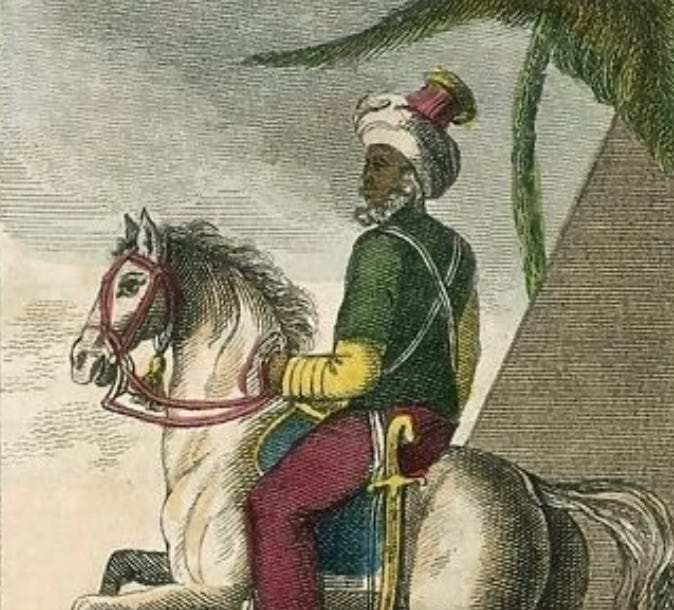
TURKEY. Ottoman about town
Erdogan’s trip to Cairo is just part of a bigger play.
Recep Tayyip Erdogan and his Egyptian counterpart turned a "new leaf" Wednesday during the president's first visit in a decade. Erdogan met the prime minister of Iraq's Kurdistan region Tuesday. He will host Vladimir Putin next month.
INTELLIGENCE. Since his re-election last year and efforts to control inflation, Erdogan is reprising his “neo-Ottoman” foreign policy, designed to place Turkey at the centre of wider Middle East and gain more leverage over Europe, the US and Russia. Burying the hatchet with past foes like Egypt’s Abdel Fattah el-Sisi is part of this approach. As is balancing the friendly Kurds in Iraq, who transport oil to Ankara, with the unfriendly Kurds in Syria and at home.
FOR BUSINESS. Should his new central bank chief, appointed this month, be able to fix Turkey’s stubborn inflation, Erdogan will be freer to embark on more foreign policy adventures. Fresh from helping Azerbaijan end its war with Armenia (though skirmishes have resumed), Erdogan wants to strike a deal on Palestine and broker peace in Ukraine – all of which would bolster Turkish prestige. Yet far from being a neutral player, many in the region still distrust him.
Geopolitical Strategy is the advisory firm behind Geopolitical Dispatch. Our partners are former diplomats with vast experience in international affairs, risk management, and public affairs. We help businesses and investors to understand geopolitical developments and their impacts with clarity and concision.
ISRAEL. LEBANON. Striking a balance
Airstrikes are sent as a warning, not a prelude to war.
Israeli strikes in southern Lebanon killed nine civilians Wednesday after rocket fire in Israel's north killed a soldier. The fighting is among the fiercest along the border since the war in Gaza began. Hezbollah has vowed retaliation.
INTELLIGENCE. Rhetoric has escalated along with the strikes on both sides but fundamentally, neither party wants war. France is reportedly close to brokering a withdrawal of Hezbollah fighters from the border regions, but the Iran-backed group continues to link its campaign to a ceasefire in Gaza. This, however, is likely more about saving face. Despite its weapons stockpiles and millennialist doctrine, Hezbollah has become a more cautious actor.
FOR BUSINESS. The wildcard may in fact be Israel. If Benjamin Netanyahu’s campaign in Rafah gets bogged down he may be tempted to act on the forceful demands of coalition allies like National Security Minister Itamar Ben Gvir, who called for war with the Shiite militia on Wednesday. A watchpoint for Ben Gvir and others will be how they act during Ramadan, which begins on 9 March. In previous years he has provocatively visited Jerusalem's Temple Mount.
NORTH KOREA. Attention and reward
Pyongyang’s behaviour may have its desired effect.
Kim Jong Un oversaw cruise missile tests Wednesday, the latest provocation ahead of the South's elections in April. Japanese media said Fumio Kishida was mulling a visit to Seoul. The Financial Times said he wanted to visit the North..
INTELLIGENCE. A breakthrough with the North would give a boost to Japan’s embattled prime minister, who like his predecessors wants to secure the release of Japanese abductees. Yet any moves interpreted to reward the DPRK would face a backlash in the South, whose president has come under fire for cosying up to Japan (a white paper described Tokyo as a “cooperative partner” for the first time). It would also complicate strategy in the US and China.
FOR BUSINESS. Amid the North’s closer ties to Russia, many in the region would prefer to see a slightly less isolated DPRK and the previous equilibrium restored (as unhappy as it was). Further, diplomacy with a tyrant is better than none. Yet amid Pyongyang’s increasingly provocative warnings to Seoul – where the threat of invasion is becoming normalised – now may not be the best time to pursue bold moves. Particularly amid high-stakes regional elections.
Emailed each weekday at 5am Eastern (9am GMT), Geopolitical Dispatch goes beyond the news to outline the implications. With the brevity of a media digest, but the depth of an intelligence assessment, Geopolitical Dispatch gives you the strategic framing and situational awareness to stay ahead in a changing world.
THE PHILIPPINES. Letting things slide
Disasters and domestic politics distract from the South China Sea.
The death toll from a Mindanao landslide reached 68 on Monday following floods on 6 February. Vice President Sara Duterte said Wednesday she had not spoken to her father about any International Criminal Court arrest warrant.
INTELLIGENCE. A growing rift between the Duterte and Marcos clans – where Sara Duterte is caught between the current president, her boss, and the former president, her father – has reopened speculation that Manila may act on an ICC arrest warrant over Rodrigo Duterte controversial war on drugs. President Ferdinand Marcos Jr has denied this, but the temptation must surely exist as Duterte Sr continues to speculatively advocate for Mindanao’s secession.
FOR BUSINESS. The Duterte family is from the south, wracked by years of insurgency and neglect. The Marcos family is from the richer north, which historically looks to Taiwan and China. Running Sara Duterte as Marcos’s vice president was supposed to unite the families, but ties are fraying. Mindanao independence won’t happen, but it distracts from real threats to sovereignty in the South China Sea. A Philippine warship was deployed this week off Palawan Island.
SOLOMON ISLANDS. Looking north
Honiara prepares for an April election, with a focus on China.
Prime Minister Manasseh Sogavare outlined his pitch for elections expected in April. His "look North" strategy would double down on ties to China. The opposition said Wednesday it wanted Honiara's security pact with Beijing reviewed.
INTELLIGENCE. For the Solomons and other Pacific states, the choice between China and the West is largely one of aid. Despite their significant economic zones and resource potential, small populations and large distances complicate development. Trading UN votes and, for some, recognition between Beijing and Taipei, can be an easier export. And narrow parliamentary margins and brittle political alliances can make these questions a constant affair.
FOR BUSINESS. Following Nauru’s recent switch to Beijing, Tuvalu is considering a change of its own, but bad weather has delayed a decision. Besides Tuvalu, the Marshall Islands and Palau are Taiwan's remaining Pacific allies. They are more closely tied to the US, but Washington is taking few chances. After missing the boat in the Solomons – it only opened an embassy in Honiara last year – it is returning the Peace Corps to Palau, a former trust territory.