


Hello,
In this edition of Week Signals:
IN REVIEW. The return of old-time pressure, the rise of new money foreign policy, Escobar’s choice, and games of perpetual bargaining.
UP AHEAD. Iran’s deadline, beyond Section 122, royalty tests, Mekong reforms, and Kim’s successor.
And don’t forget to connect with me on LinkedIn.
Week Signals is the Saturday note for clients of Geopolitical Strategy, also available to GD Professional subscribers on Geopolitical Dispatch.
The Week in Review: Chaos agency
Note: This week’s essay was written by a former senior diplomatic colleague, who will be formally joining us in the coming weeks. His essay comes at a pivotal moment not only in global trade policy, but also in the Trump administration’s entire approach to international negotiation. We hope you enjoy it.
The week began with the massing of negotiators in Geneva and naval assets in the Arabian Sea. It ended with Trump presiding over the inaugural meeting of the Board of Peace and the Supreme Court presiding over his tariff regime. In between, conciliation and confrontation ran in parallel across the globe. The US opened a channel for talks with Havana 4and sat down with Tehran, while increasing military and economic pressure as leverage. Ukraine and Russia resumed talks in Geneva, while battle lines continued to shift and Washington loomed impatiently. Posturing between Tokyo and Beijing, Washington and Ottawa, Addis Ababa and its surrounds, all continued.
On the surface, the proliferation of talks in Geneva and speeches in Munich gives the impression that traditional diplomacy is resurgent. It isn’t.
We are not witnessing the return of negotiations and dealmaking in the “global rules-based order” conception. Structured negotiations aimed at durable resolution — conducted within the framework of international institutions and immortalised in carefully worded communiqués — remain out of style. A cycle of threats, incentives, ultimatums and announcements is in.
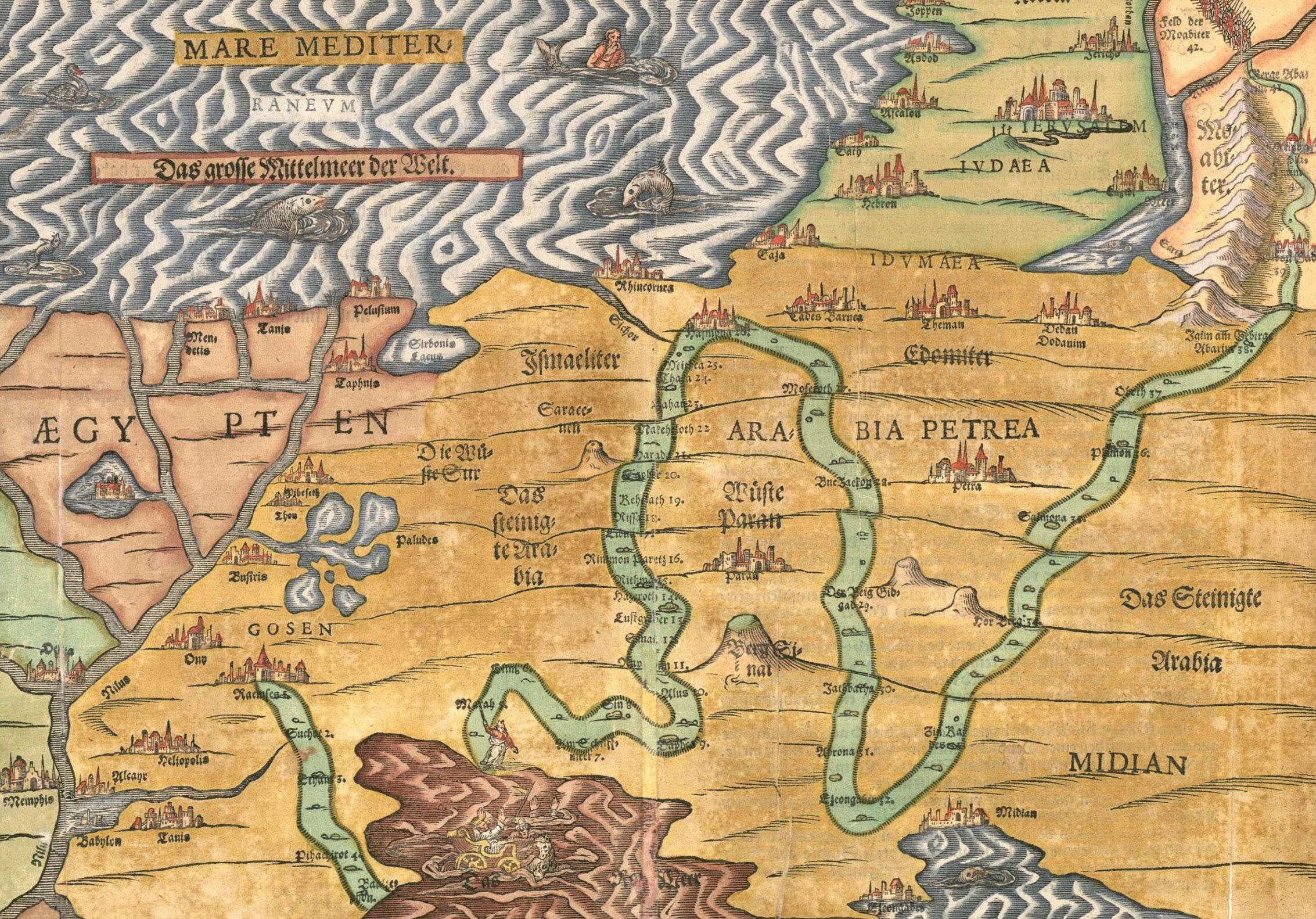
Applying pressure to get an outcome is not new. The Book of Exodus has an Art of the Deal subtext. The Pharaoh did not have the cards and should have offered up some mineral concessions and made a face-saving deal before the frogs and locusts showed up. But in Exodus, the plagues stopped after the desired outcome was secured. The Trump administration has left countries, from South Korea to India to the UK, wondering if a deal is ever “done”.
What we are seeing is negotiation and coercion fusing together. Finding and exploiting pressure points has become the default setting for great powers. Rewards are not prioritised for friends. Punishments are not reserved for enemies. And nothing is ever over.
It is Escobar’s choice — take the silver or the lead — extended to the entire international system. Washington and Beijing, in particular, have plomo in every form and more plata than Pablo could ever have dreamed of. The Supreme Court’s ruling on tariffs complicates one of Trump’s preferred weapons. But it doesn’t preclude it. And the most immediate impact was to highlight the reliance on coercion, at home and abroad. Trump directed new threats at the Justices and, using Section 122 of the Trade Act of 1974, promised another 10% global tariff for good measure (see more analysis in the Week Ahead section below).
Beijing’s approach in its near abroad has contained elements of this model for decades. Every ASEAN leader is familiar with the options. Belt and Road infrastructure, targeted FDI, elite enrichment and market access on one hand. Grey-zone naval confrontation, political interference, trade coercion and selective memory of WTO rules on the other. But Beijing rarely shows both faces at the same time. There is sequencing. Pressure, then escalation, then an offramp. Or inducement, then reward, then dependency.
Washington, by contrast, is trying to speed-run the game — using every lever it has, simultaneously, against the same opponent. Military intervention. Regime change. Elite capture. Currency manipulation. Resource denial. Economic blockades. Sanctions enforcement. Tariffs. And what about Trump himself?