


Hello,
In this week’s edition of Week Signals:
IN REVIEW. The commercialisation of statecraft, the commerciality of war, four developments for private security, and the gaps in international law.
UP AHEAD. Russia and China go on the ballot, Carney and FIFA go to Washington, while Putin goes to Delhi.
And don’t forget to connect with me on LinkedIn.
Week Signals is the Saturday note for clients of Geopolitical Strategy, also available to GD Professional subscribers on Geopolitical Dispatch.
The Week in Review: The world’s second-oldest profession
Co-authored with Oscar Martin.
The week began with talks between Marco Rubio and Andriy Yermak on the Ukraine-Russia peace plan. It ended with Yermak resigning after his house was searched by anti-graft officers, and reports that Rubio would skip a meeting of NATO foreign ministers. Around the same time Yermak quit, we wrote that he might be working to push Zelensky out. We hit the send button too soon.
There’s a lot of flux over how the Ukraine war may end. Meanwhile, there’s a similar amount of flux over how the Venezuela war may start. Odds remain better than even that the US will strike on land, even if only to say it’s done so. You don’t bring an aircraft carrier to a knife fight, and Trump has a lot of credibility on the line – both political and strategic – after threatening Nicolas Maduro for weeks (reports in the New York Times of a Trump-Maduro phone call may not amount to much in the circumstances).
Elsewhere, there’s also a lot of flux in Israel’s wars, which neither seem to start nor end, but merely blend into each other. Beyond a strike earlier this week against Hezbollah’s military commander in Beirut, Israeli troops have clashed with militants in southern Syria and summarily executed two Palestinians in Jenin. Phase two of the Gaza peace process remains, as ever, uncertain.
But one thing that’s for certain is that as the geopolitical order continues to fragment, and as statecraft becomes more subordinate to self-interest, we will see in these conflicts and others a greater role for the private sector.
The growing intersection of geopolitics and commerce was the driver behind our company, Geopolitical Strategy. With a breakdown in predictable international rules and norms, businesses are less insulated from global risk. And with the emergence of competing poles and spheres of influence, the rules and norms that may apply in one part of the world increasingly don’t apply in another.
But one area of the business community that’s always known this is the commercial defence industry, and within that, the large but often overlooked security-as-a-service sector.
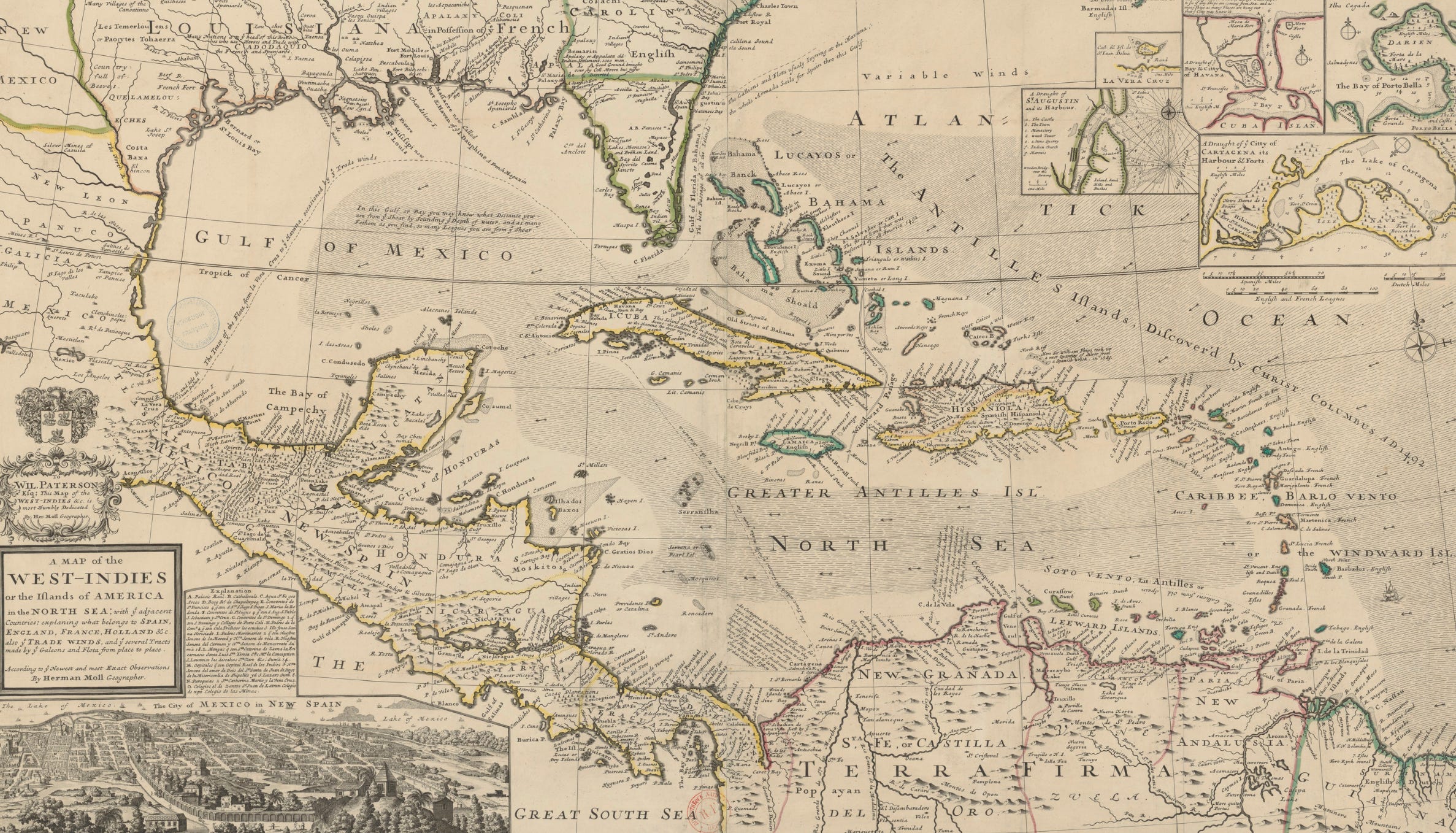
It’s always been with us, as my colleague Oscar Martin writes today, but aside from moments like the Golden Age of Piracy, it’s tended to operate in the shadows.
In the future, however, that may no longer be the case. Not only will more companies likely need literal guns for hire, whether to protect plant, personnel or supply chains, but so will more states, as wars increasingly fall into the grey zone and politics makes formal military intervention not just more difficult, but less effective.
For better or worse, if you’re interested in the business of geopolitics, you need to be interested in the business of war.