



Hello,
In this edition of Week Signals:
IN REVIEW. Lessons from leaders’ week, lessons from Melos; if you can’t beat ‘em, join up; leverage amid competition.
UP AHEAD. Polls in Switzerland and Latvia; trade in North America; troops in Iraq; and the PCE.
The Week in Review: The median dialogue
The week began with new threats to wipe out Iran. It ended with a US-China truce that could one day threaten to wipe out Taiwan.
It was also the annual United Nations leaders’ week, where heads of state and government take turns to speak to an empty room, like minor legislators going on record for the folks back home.
Yet some of the speeches were exceptional. Not for their oratory, but for who was at the podium, and thus how many were in the room. I’m not thinking of Donald Trump, who introduced us to the term “super intelligence” but otherwise gave the usual screed (albeit with the added warning of “annihilation”), but of his neighbour, Mark Carney, whose missives on a better, more cooperative rules-based order have become must-listens for the New York Times crowd. At the other end of the spectrum, Benjamin Netanyahu’s speech, explosive pager in hand, went down like a lead balloon in New York but off like a rocket in Tel Aviv.
If a connective theme could be found, it was that smaller and middle powers are deeply worried about the possible re-emergence of a bipolar, might-makes-right world (indeed, Trump also said in his speech that “to the victor belong the spoils”, this time in reference to Venezuela). And indeed, it looked that way 200 miles away in Washington, where Trump laid out the red carpet for his one true peer, Xi Jinping.
Not too much of substance appears to have been agreed between Trump and Xi – though details are expected to be forthcoming Monday – but their meeting was notable for an absence of otherwise routine disagreement on Taiwan. Usually, visits of this nature begin and end with a statement of US commitment to Taiwan, which China sees as a rogue province. This time, it was up to officials to meekly say that US policy hadn’t changed. Yet with many long-promised US weapons still yet to arrive on the islands, and orders for more yet to be approved, go tell that to an increasingly nervous Taipei.
Taiwan is, of course, not a member state of the UN, so could not air its concerns to the General Assembly, but plenty of others were appealing to a previous norm, even if honoured in the breach, where states could not simply attack another, recognised or not. Nobody, least of all Taiwan, wants to be the next Iran or Ukraine or Venezuela.
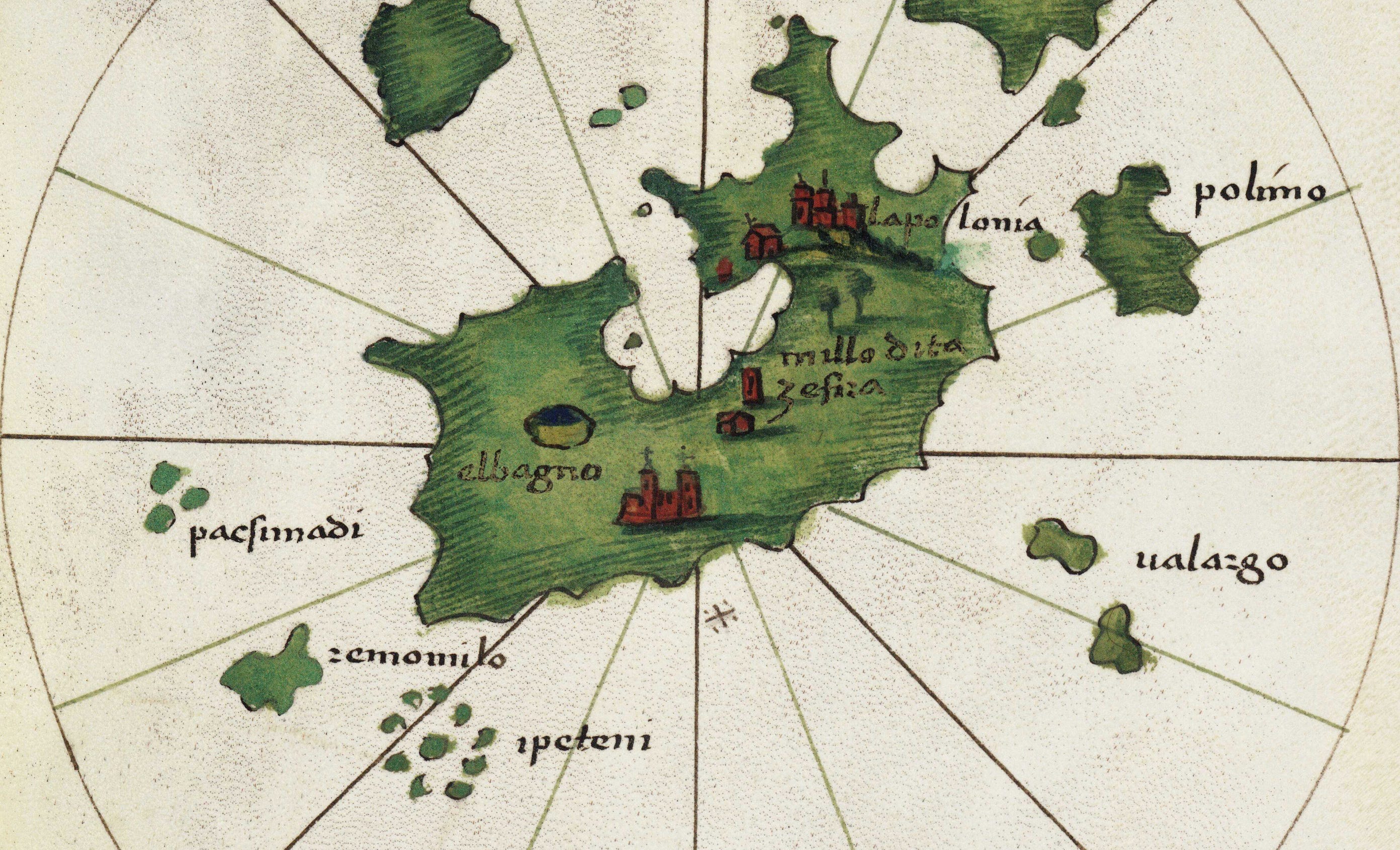
It’s a dilemma as old as politics itself: what to do when you’re a smaller actor on a global stage where – per the alleged dialogue of the Athenians to the Melians – “the strong do what they can and the weak suffer what they must”.
Unlike the island of Melos in the Peloponnesian War, nobody expects a Bronze Age massacre to befall the island of Taiwan, yet those who can defend themselves will do whatever it takes to ensure they don’t suffer what they must. Whether it’s in the alleged nuclear ambitions of Saudi Arabia or South Korea, or the EU-Canada love-in to bolster each other via a flexible alliance, middle powers across the world are working to ensure the future isn’t bipolar, but multipolar, if not multilateral.
Oscar Martin takes a closer look:
The UN General Assembly leaders’ week is the main event in the multilateral calendar and, as the world is facing even more challenging circumstances than last year, it is a stage where the changing world order can be seen in action.
The US was of course the one to watch. Trump used his 37-minute address on Tuesday to emphasise American power. He threatened Iran with annihilation if a peace agreement was not reached, and predicted that he would soon resolve Russia’s war against Ukraine. He urged countries to leave the International Criminal Court, announced that his government would call AI “super intelligence”, and promised to use America’s “unmatched military might” wherever he considered it necessary in the Western Hemisphere.
Trump’s unpredictable and destabilising foreign policy is forcing nations to seek other arrangements, despite the US remaining central to their own economic and security needs. From this, a new middle power system is emerging, where middle powers have been working both to preserve institutions they still need and begin to establish arrangements that give them additional protection.
Yet while this week’s gathering at the UNGA has made clear that a new dynamic is present, the question remains as to whether middle powers can generate any influence over a changing world order, or if they are still at the whim of the superpowers.