


Hello,
In this edition of Week Signals:
IN REVIEW. Notes on a scandal, the normalisation of deviance, and adapting to the muck.
UP AHEAD. Elections in Japan, Thailand, Portugal and Bangladesh; the Munich Security Conference.
And don’t forget to connect with me on LinkedIn.
Week Signals is the Saturday note for clients of Geopolitical Strategy, also available to GD Professional subscribers on Geopolitical Dispatch.
The Week in Review: Framing the swamp
The week began with a crash in precious metals and a Democrat landslide in Texas. It ended with the Dow Jones above 50,000 and the president posting videos of his predecessors as apes. The US tends to crowd out other global developments, and sometimes for good reason. Seldom has the world’s biggest economy been its biggest spectacle, or its biggest crisis. Not since the collapse of the Soviet Union, or Mao’s Cultural Revolution, has one of the great powers appeared so feral.
The most feral thing this week, however, was the response to the latest batch of Epstein files. To some, it’s an annoying distraction. To many, it’s a titillating, even secretly enjoyable morality play (despite the awful crimes at its core). To others, it’s the master key to a world that no longer makes sense.
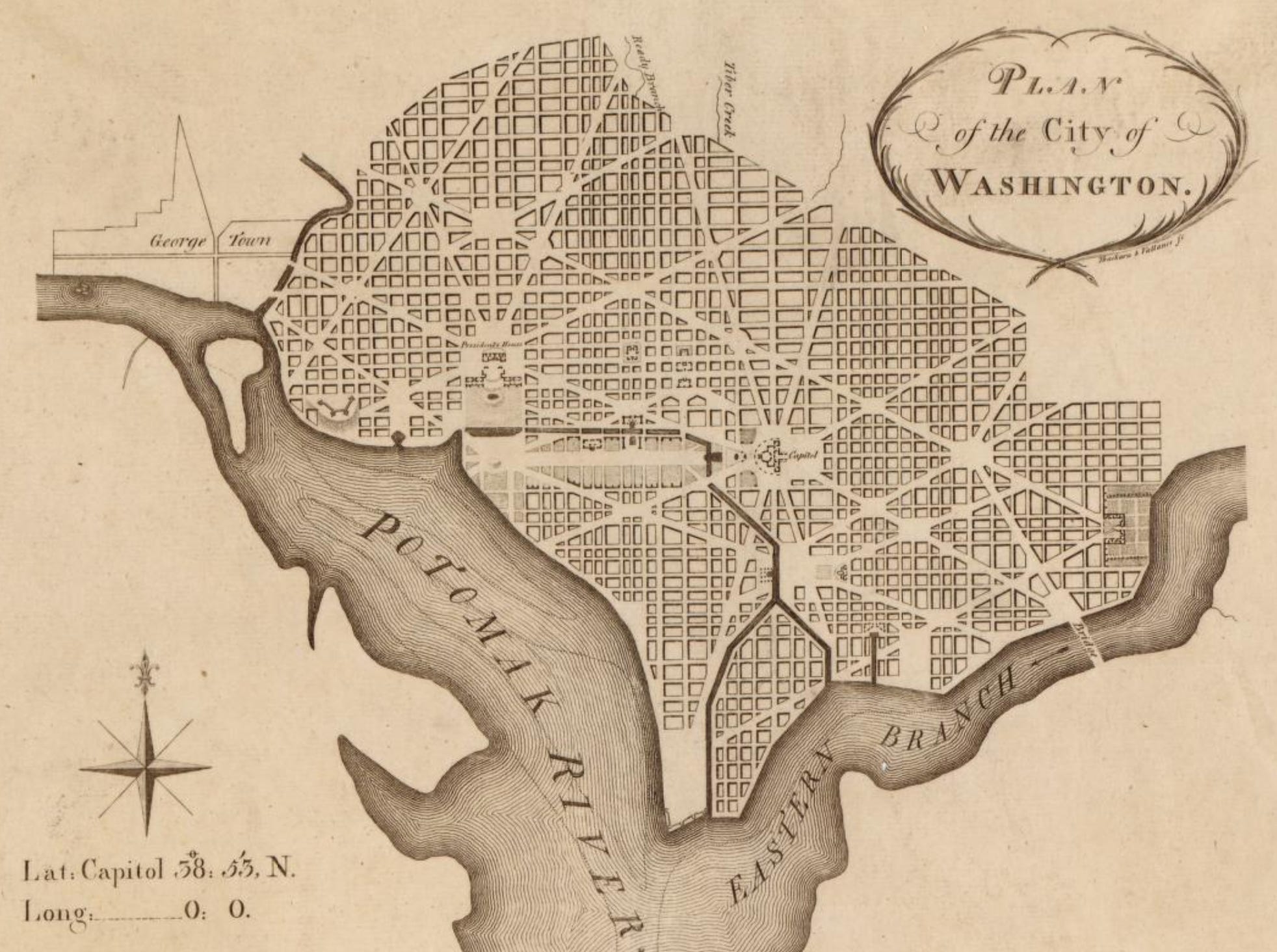
Its geopolitical dimensions are manifest, even if originally denied. Britain’s government looks close to collapse. Norway has been convulsed. Poland is pointing the finger at Russia. The Arab world at Israel. Democrats are blaming Trump. The Republicans the Clintons. Epstein’s crimes have become another political Rorschach test. One side sees a cabal of New York liberals. Another sees reactionary billionaires. Old tropes, linking Epstein to the Rothschilds, the Masons, or the Satanists, are like those maps of Washington DC. Some see a street grid. Others see pentagrams. Like the city on the swamp – an object of fear, hatred, and fascination – here are the swamp people.
The interest to us, at a time when we could be talking about Iran, Ukraine or Taiwan, is what it says about late-stage Western hegemony and how systems of power actually work. To many, in the US and beyond, the episode illustrates the venality of the global “rules-based” order, where favour and compromise undergird both business and political dealmaking. To others, it’s just another example of what was always thus, from Profumo to Watergate. And from the Romans, with their orgies and assassinations, to the intrigues of the Chinese and Ottoman courts, scandal and sleaze are standard in all politics. Power, after all, corrupts. Epstein may or may not have been a spy, but he exploited the same classic weaknesses that intelligence services rely on.
Last week, we wrote about keeping your nose clean in a personalist world. The week before, we wrote about the narcissism at the centre of modern order. Writing this week about Epstein would seem a coda, but rather than rehash what millions are already talking about, we wanted to build on a piece we wrote last July, asking how to think about conspiracy in global politics, to now ask how to do business and invest in a world where, in the words of the FT’s Gillian Tett, deviance has been normalised.