


Hello,
In this edition of Week Signals:
IN REVIEW. Elbows up, White House down, diversifying alliances, Lake America in the woods.
UP AHEAD. The Pacific and Eurasia, American divergence, central banks vs finance ministers.
Geopolitical Dispatch is the daily client brief of Geopolitical Strategy, a specialist advisory firm for boards and executive teams. Our Geopolitical Readiness Program helps organisations build a shared view of geopolitical change, identify and measure risks and opportunities, agree practical responses and know what to watch next. We also deliver geopolitical crisis simulations, scenario deep dives and geopolitical fluency training for corporations.
The Week in Review: 1776 and all that
The week began with threats of an economic D-Day. It ended with a small Egyptian lender losing some accounts in Dubai. In between, Donald Trump declared Lake Ontario was now Lake America. Dolly Parton also sadly passed away. Has there ever been an emptier moment for US power? Perhaps not, but the ongoing histrionics are, I think, leading to something more real, more dramatic than anything so far in 2026. A true break with the past. A declaration of independence.
This year, the US celebrated 250 years of statehood with cage-fights, rallies and NASCAR races. The year also marked the 250th anniversaries of two seminal texts: Edward Gibbon’s History of the Decline and Fall of the Roman Empire and Adam Smith’s Wealth of Nations. Warnings against excesses in politics and economics respectively, no doubt a first edition has been chopped-up somewhere by an AI lab.
The jokes write themselves, but this is no laughing matter. Warnings of a tipping point, whether in the technology boom or the Trump administration’s missteps abound, including here, but Mark Carney’s reaction to Trump’s latest attempt to squeeze the juice of a trade agreement is something else. Not since China responded to the “Liberation Day” tariffs with its own trade war has another trading partner so resolutely called Trump’s bluff. And, perhaps Iran aside, rarely has Trump seen so hoisted by his own petard.
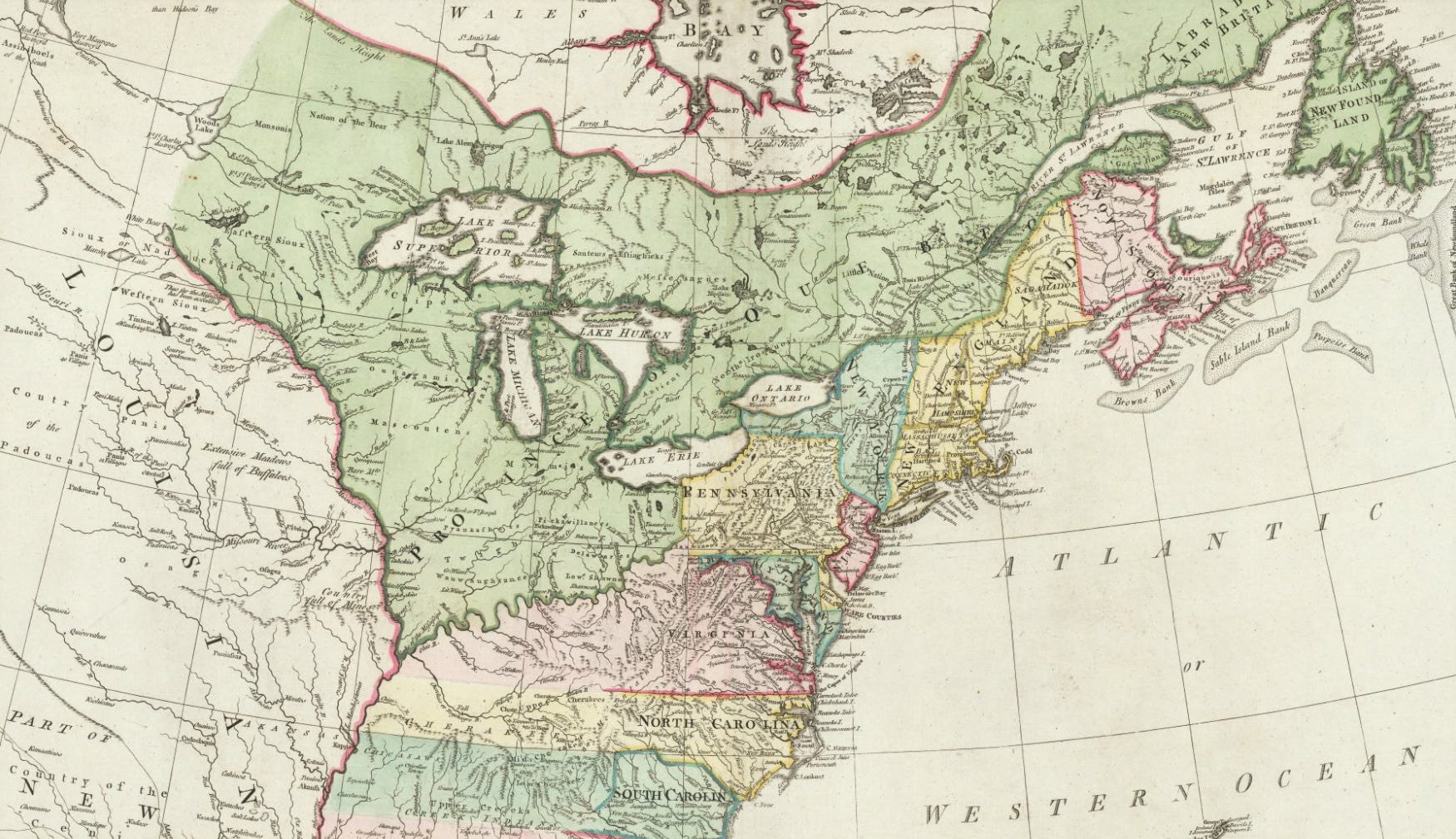
Canada, let’s not forget, was the bit of North America that didn’t want to declare independence from Britain. And they’ve been uninterested in joining the US ever since. To a would-be imperialist like Trump, this is no doubt jarring but he’s not the only US leader to have tried. William McKinley, when head of the Ways and Means Committee, sought to coerce Canada into the union with his tariffs of 1890 (as president, he’d focus more successfully on Hawaii and Panama). As secretary of state under Abraham Lincoln, William Seward tried in the 1860s, spurring Canadian confederation instead. And as we wrote in June, there was that infamous War Plan Red in the 1930s (though admittedly the Canadians had Defence Scheme No. 1).
So past, so prologue, but what’s different about today of course is that Pax Americana is already on the ropes and plenty of other erstwhile partners and allies are also eyeing a break with their great and powerful friend. For every Mark Rutte and Alexander Stubb, there’s a Pedro Sanchez and Emmanuel Macron throwing stones (at least rhetorical). Britain’s Andy Burnam looks minded to get in on the act, after the genuflections of his milquetoast predecessor. Even the Pope has had a crack.
But unlike the subject of Stalin’s apocryphal question to Churchill (“how many divisions does the Pope have?), Canada has the means to harm the US if pushed. Not militarily of course, but economically Ottawa can cause Washington immense damage ahead of the midterms even if it takes on equal if not more damage itself. If there’s one lesson from Iran (and Afghanistan, and Iraq, and Vietnam) it’s that asymmetry has a quality of its own, to misappropriate another misattributed Stalinism. With his back to the wall – and scoring populist points – Ontario’s voluble premier Doug Ford this week threatened to cut off US electricity and critical minerals. Canada’s universities have been luring dozens of Ivy League researchers (MAGA may not mind). Saskatchewan has set its own additional 50% tariff on US booze (other provinces have just banned the stuff from government-owned stores).
But behind all the theatrics of what could ultimately just lead to another USMCA-style deal, is there a broader shift now underway for Canada, and the rest of the West, to declare independence from the empire of the United States?